What should a hardware brand do when a used product is resold and the second owner wants warranty service?
Secondhand buyers turn up in every support queue eventually. Deciding in advance whether your warranty follows the product or the original purchaser stops your team from inventing an answer one ticket at a time.
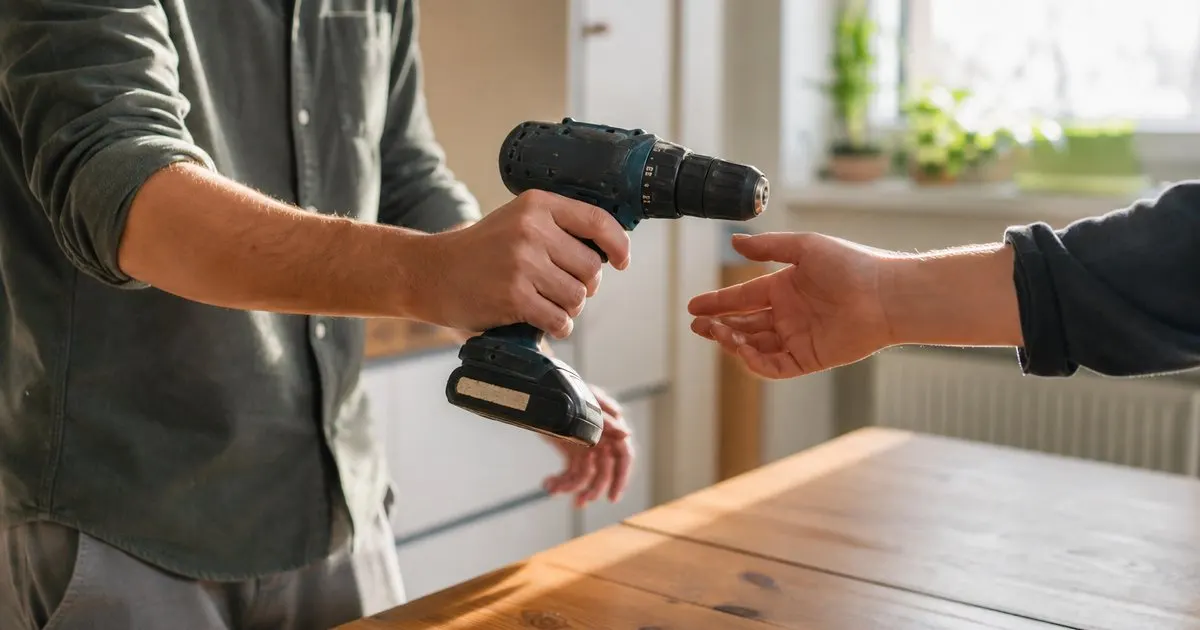
Decide whether coverage follows the product or the buyer
There are only two coherent positions and both are defensible. A warranty tied to the original purchaser ends the moment the product changes hands, which limits your exposure and keeps claim volume attached to units you actually sold. A warranty tied to the serial number runs for the stated term no matter who owns it, which is simpler to explain, easier to enforce at intake, and tends to lift the resale value of everything you make. What does not work is having no stated position, because then every secondhand claim becomes a judgment call and two agents will answer the same question two different ways. Related: Handling a Warranty Claim Well
The deciding factor is usually how your products actually get resold. If units move through a healthy secondhand market, a transferable warranty is quietly doing marketing work for you, because a resale listing that mentions transferable coverage supports a higher price, and that higher price makes your new product easier to justify. If your products rarely resell, or resell mostly after heavy commercial use, tying coverage to the original purchaser costs you very little goodwill and protects you from claims on units that have already been through three job sites. Related: What Warranty Data Tells You About Your Products
Keep reading: Why Warranty Registration Matters for Your Brand, Turning Warranty Into a Customer Relationship, Handling a Warranty Claim Well. See how WarrantPilot helps you warranty registration and claim tracking for hardware brands.
What a transferable warranty actually costs you
The instinct is that transferable coverage multiplies claim volume, but the arithmetic is gentler than it feels. A product generates a claim once per failure, and the term does not restart when the unit changes hands. A device sold secondhand in month fourteen of a twenty four month term carries ten months of remaining exposure, not another twenty four. What genuinely changes is the mix of claims. Second owners tend to file later in the term, tend to have no original receipt, and tend to be less familiar with correct setup, so first contact resolution takes longer than it does with an original purchaser.
The costs that really move are administrative rather than financial. You need a defensible way to establish that a unit is still inside its term when no receipt exists, which usually means dating coverage from the manufacture date or from first registration rather than from purchase. You also need a path for the person who wants confirmation that a specific serial is still covered before they agree to buy it. That request is cheap to answer and worth answering, because it turns your support queue into a small trust service for your own installed base.
Build the transfer into registration, not into email
If coverage transfers, give people a real way to record it. The lightest version is a short form where the new owner enters the serial number and their contact details, and the record picks up a transfer date. In most consumer categories you do not need the original owner to approve anything, and requiring their cooperation almost guarantees the transfer never happens, because the seller has already moved on. Keep the earlier registration in the history rather than overwriting it, so the full ownership chain stays visible when a suspicious pattern shows up later.
The reason to bother is that transfers are the cheapest acquisition you will ever see. Someone who just bought your product secondhand is handing you their name, their email, and the exact model they own, at the precise moment they care most about accessories, consumables, and setup help. A brand that treats the transfer form as a nuisance loses all of that. A brand that confirms coverage in one message and follows with a short setup guide has converted a stranger into a registered owner for almost nothing.
Handling the second owner who never registered anything
Most secondhand claims arrive cold. No registration, no receipt, and often no clear idea of when the unit was originally bought. The workable path is to date coverage from the serial number itself. If your serials encode or map to a manufacture date, you can compute a coverage window with a modest allowance for shelf time, then apply that same window to every claim without exception. Publish the method in your terms so it does not look invented on the spot when you use it to decline a claim on a unit that is plainly out of term. Related: How do you verify a serial number when a warranty claim comes in?
For units that land just outside the window, decide in advance what a goodwill response looks like and give agents a small budget to spend without asking. Parts at cost, a discounted repair, or a trade in credit toward a current model are all reasonable, and every one of them beats a flat refusal to somebody who is holding your product and deciding whether to buy your brand again. Log those goodwill decisions as their own category, because if they leak into your warranty numbers they will quietly distort your reported defect rate. Related: Why Warranty Registration Matters for Your Brand
- Pick one rule, coverage follows the serial number or coverage ends at resale, and publish it in your terms.
- Transferable coverage adds administrative work more than claim cost, because the term never restarts on resale.
- Offer a simple transfer form; a second owner registering is a free and highly qualified new contact.
- With no receipt, date coverage from manufacture or first registration and state that method publicly.

Julien Jimenez
Julien Jimenez is an independent software builder based in Paris. He designs, ships, and operates focused SaaS products for small businesses and independent professionals. Read the full author page.
Turn warranties into a customer relationship
Warranty registration and claim tracking for hardware brands. WarrantPilot is built to help you put this into practice.
Set up warrantiesMore from the WarrantPilot blog
Why Warranty Registration Matters for Your Brand

Turning Warranty Into a Customer Relationship

Handling a Warranty Claim Well
Get the WarrantPilot playbook
Practical guides on warranty management, straight to your inbox as we publish them. No spam, unsubscribe any time.